What are they? Industrial door automation
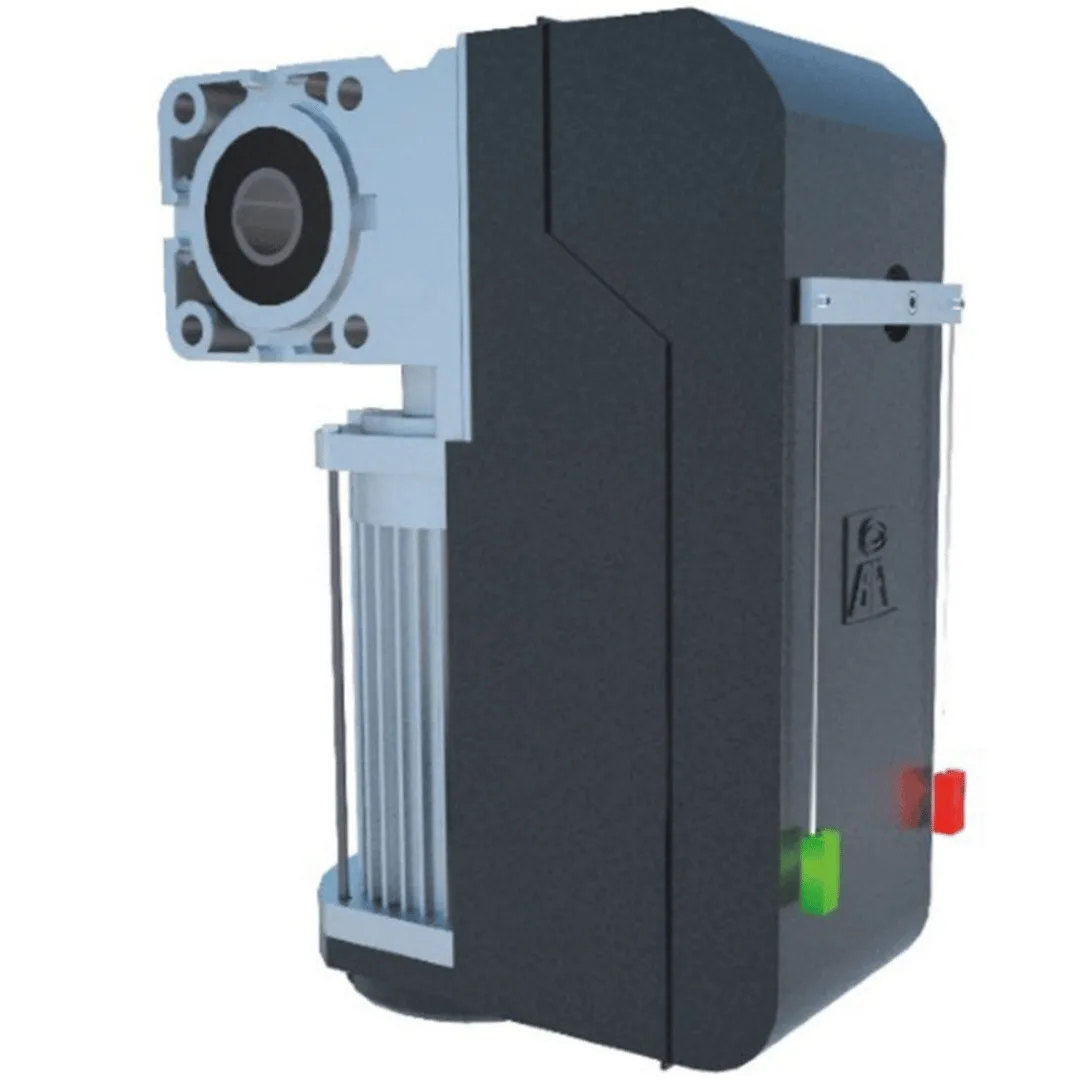
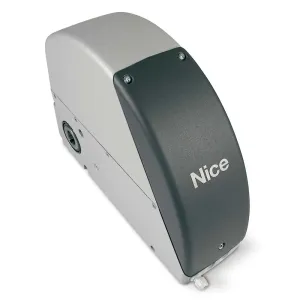
Industrial door automation are electromechanical systems that allow the automatic opening and closing of large doors, used in halls and warehouses. Systems include powerful motors, control units and safety mechanisms.
Main benefits
- fast and secure access
- delete manual handling
- protection against unauthorised access
Where industrial door automations are used
These solutions are essential for spaces with intense traffic:
- Deposits and logistics centres
- Industrial Hale
- Commercial spaces with access to machinery
- Institutions and public centres with large doors
How an industrial door automation works
The system includes electric motor, control unit, remote control and safety elements. The motor moves the door on the guideboard, and sensors prevent accidents, allowing manual release in case of power failure.
Why Industrial Door Automations Are Important
Automation increases staff safety and operation efficiency by reducing access times and preventing damage to equipment or doors.
Advantages of use
- reliable long-term operation
- suitable for large doors and intense traffic
- integration with access and smart control systems
- reducing human effort and risks
- sustainability and low maintenance
Types of Industrial Door Automation
- For quick doors: for frequent access and intensive traffic
- For large sectional doors: heavy duty motors
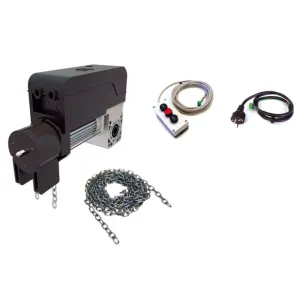
- Complete kits: include motor, remote control, rack gear and guides
Differences between types and models
The main differences are weight, size, frequency of use and type of control. The right choice optimizes sustainability and safety.
How to choose correctly
Consider:
- size and weight of the door
- Frequency of daily use
- residential, industrial or commercial environment
- the need for smart system integration
Installation and commissioning
The professional installation ensures correct alignment of the door, precise adjustment and compliance with safety rules. Includes manual release in case of power outage.
Maintenance and maintenance
- periodic verification of guides and engines
- Test of safety sensors
- cleaning and lubrication of mobile components
Common errors
- undersized motor for door size
- Lack of regular maintenance
- installation without specialized consultancy
Professional recommendations
Professional advice before purchasing ensures the correct choice of the system and reduces subsequent costs.
1. What are automations for industrial doors?
Motorised systems designed for automatic operation of industrial doors, used in halls, warehouses, factories or logistics centres.
2. Where are industrial door automations used?
In areas with intense traffic such as warehouses, production halls, shopping centres, industrial parks and logistics areas.
3. What types of industrial doors can be automated?
Industrial sectional doors, roller doors, quick doors, sliding doors or industrial tilting doors.
4. What are the main advantages of industrial door automation?
Increased productivity, increased safety, effective access control and reduced operating times.
5. Is automation for industrial doors safe?
Yes, they include safety systems such as photocells, obstacle-stop sensors and automatic locking systems.
6. Can automations be adapted for intensive traffic?
Yes, industrial engines are designed for continuous use and repeated opening and closing cycles.
7. What happens in the case of a current penile?
Most systems allow manual unlocking or can be equipped with backup batteries.
8. How is the maintenance of industrial door automation carried out?
By periodic checks of engines, sensors, mechanical components and lubrication of moving elements.