Anti-ram on everyone's understanding: classes, scenarios, how you choose for an objective
Do you need help choosing?
Tell us what you need and we'll send you the offer on the same working day.
Anti-terrorism security has become essential for high-risk public and private objectives. Anti-ram systems are designed to stop vehicles attempting to enter a protected area, significantly reducing the risk of vehicle attacks. Understanding protection classes, use scenarios and selection criteria is crucial for choosing the right solution.
What does anti-ram mean
Anti-ram is the combination of physical security solutions designed to stop vehicles trying to force impact access. These systems are tested and certified to withstand collisions at pre-determined speeds and masses.
Why anti-ram security is important
- Protect Human Lives
- Prevents deliberate vehicle attacks
- Limits unauthorized access
- Increases overall level of security of the objective
Anti-ram systems are an essential component of modern perimeter security.
Class of protection against ram
The anti-ram systems are classified according to international standards, the best known being:
- PAS 68
- IWA 14-1
- ASTM F2656
These standards define the mass of the vehicle, the impact speed and the permitted penetration distance.
What testing classes mean
- Vehicle speed at impact
- Weight of vehicle tested
- The distance from stop after impact
The higher the class, the higher the level of protection.
Anti-ram use scenarios
Government objectives
Ministries, embassies, official offices – the risk is constantly high.
Critical infrastructure
Airports, power stations, military bases, ports.
Public spaces with large influx of people
Shopping centers, stadiums, public markets, events.
High-risk private targets
Corporate offices, logistics centres, industrial facilities.
Types of anti-ram systems
- Anti-ram Bollards fixed
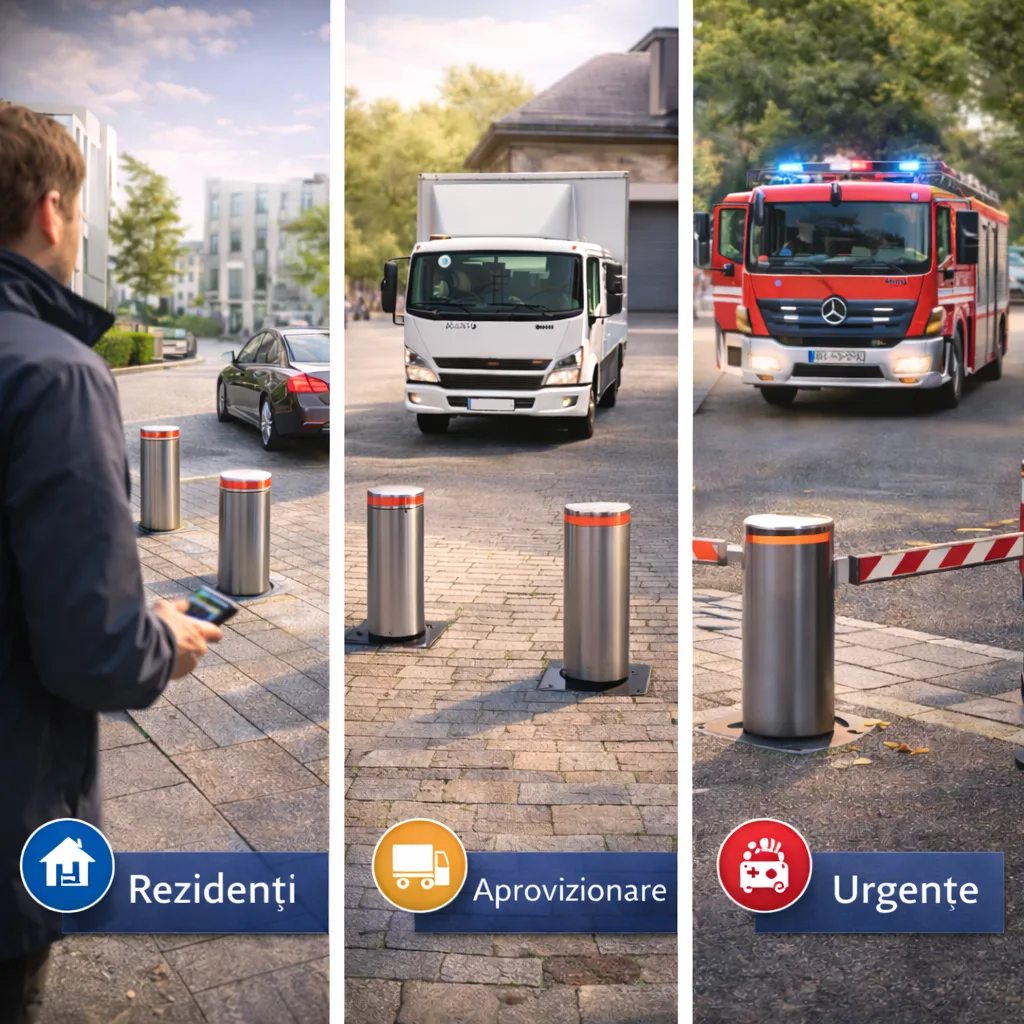
- Anti-ram bollards retractable
- Anti-ram barriers
- Anti-ram gates
- Anti-ram certified pipe barriers
Choosing the type of system depends on the need for controlled access or permanent blocking.
How to choose the right anti-ram system
Risk analysis
The type of threat, traffic and importance of the objective shall be assessed.
Protection class required
The choice must comply with the security requirements imposed by the authorities or the security audit.
Type of access
Permanent blocked access or controlled access for authorised vehicles.
Integration with other systems
Anti-ram systems must work together with access control, video surveillance and security procedures.
Advantages of anti-ram systems
- Actual physical protection
- International testing and certification
- Visible discouragement of attacks
- Integration with existing security solutions
Common errors
- Choosing an Insufficient Class
- Mounting non-conform
- Lack of risk analysis
- Ignoring emergency scenarios
Conclusion
Anti-ram security is not a luxury, but a necessity for the objectives exposed to modern risks. The right choice of class, type of system and use scenario ensures the effective protection of people and infrastructure. Investment in a certified anti-ram system means prevention, safety and responsibility.